
 Español
 Português
 العربية
 Francés
 Русский
 Italiano
 Türk
Türk
 Indonesia
 हिंदीName
Beyond Friction: How Wet Brake Axles Guard Underground Mining Trucks' Safe Downhill?
1. The Hidden Dangers of Downhill Haulage for Underground Mining Trucks
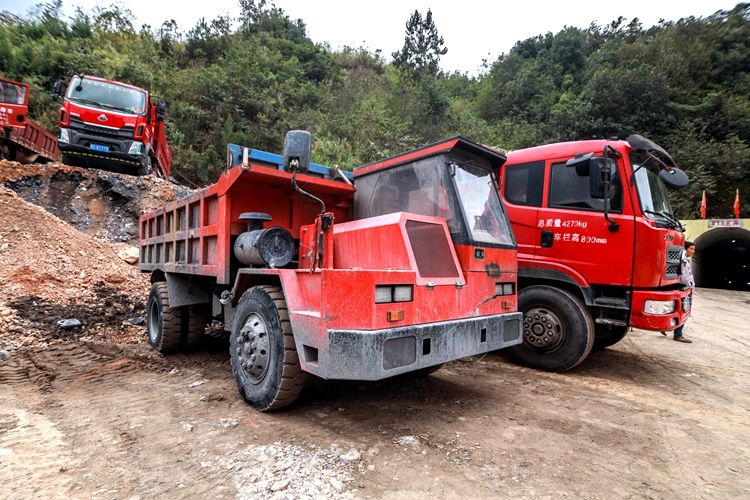
Underground mining trucks face unique braking challenges that surface vehicles rarely encounter. When descending steep tunnels, a 35-ton mining truck can generate up to 3x its weight in kinetic energy, forcing the brake system to dissipate extreme heat. Dry brake systems—common in older mining trucks—rely on air cooling to manage heat, but this design fails miserably in underground environments:
Dust and debris: Underground tunnels are filled with fine coal dust or ore particles that clog dry brake pads and rotors, reducing friction and accelerating wear. A 2024 study by the International Mining Safety Association (IMSA) found that dry brakes in underground trucks lose 40% of their efficiency within 500 downhill cycles due to dust buildup.
Heat buildup: Without adequate cooling, dry brakes can reach temperatures exceeding 600°C, leading to brake fade (a sudden drop in stopping power) or even thermal cracking of rotors. IMSA data shows 72% of underground mining truck accidents on downhill slopes are linked to brake overheating.
Heavy load stress: Underground mining trucks often carry full loads of ore (30-60 tons) downhill, placing constant pressure on brake components. Dry brake pads wear out 3x faster under these conditions, requiring frequent replacements that increase downtime and maintenance costs.
For mine operators, these risks aren’t just operational—they’re financial. A single brake-related accident can cost $250,000+ in equipment repairs, lost production, and safety fines. This is why forward-thinking mines are switching to wet brake axles, which address the root causes of dry brake failure in underground downhill haulage.
2. How Wet Brake Axles Work: Beyond Basic Friction
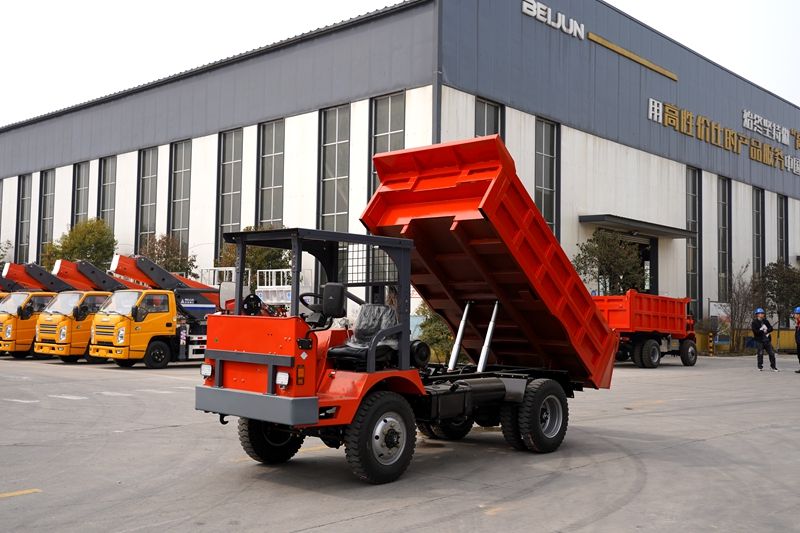
Wet brake axles revolutionize underground mining truck safety by reimagining brake design for harsh environments. Unlike dry brakes (where pads press against rotors in open air), wet brake axles encase the braking components in a sealed housing filled with high-temperature hydraulic fluid. This simple yet effective design delivers three core advantages that directly address downhill haulage challenges:
2.1 Active Heat Dissipation
The hydraulic fluid in wet brake axles acts as a built-in coolant, absorbing heat from the brake pads and rotors during downhill braking. The fluid circulates through the axle housing, transferring heat to the surrounding environment—even in poorly ventilated underground tunnels. Tests by mining equipment manufacturer Epiroc show that wet brake axles maintain temperatures below 350°C during continuous downhill haulage, compared to 600°C+ for dry brakes. This prevents brake fade and thermal damage, ensuring consistent stopping power even after hours of use.
2.2 Dust and Debris Protection
The sealed housing of wet brake axles keeps underground dust, ore particles, and moisture out of the braking system. This eliminates the friction loss and wear caused by debris buildup, extending brake component life by 2-3x compared to dry brakes. A coal mine in Shanxi Province reported that after switching to wet brake axles, their underground trucks’ brake pad replacement frequency dropped from every 1,200 hours to 3,500 hours—cutting maintenance downtime by 65%.
2.3 Enhanced Load Capacity
Wet brake axles are engineered to handle the heavy loads of underground mining trucks. The hydraulic fluid distributes pressure evenly across the brake pads, reducing stress on individual components and enabling consistent braking performance for full-load downhill runs. Komatsu’s latest wet brake axle design, used in their 40-ton underground mining truck, can handle 500+ consecutive downhill cycles without efficiency loss—far exceeding the 200-cycle limit of comparable dry brake systems.
In short, wet brake axles don’t just rely on friction to stop the truck—they use a closed-loop system of cooling and protection to maintain braking integrity, even in the toughest underground downhill conditions.
3. Real-World Impact: Wet Brake Axles Reducing Accidents and Costs
Mines around the world are seeing tangible results from adopting wet brake axles for underground downhill haulage. Here are two case studies that highlight their safety and financial benefits:
3.1 A Zinc Mine in Hunan Province (China)
Prior to 2023, the mine operated 10 underground mining trucks with dry brake systems. Over 12 months, the mine recorded 8 brake-related incidents on downhill slopes, including 2 collisions that damaged tunnel infrastructure and halted production for 3 days. After upgrading to wet brake axles, the mine saw:
0 brake-related accidents in the first year
40% reduction in brake maintenance costs (from $86,000/year to $51,600/year)
25% increase in daily haulage capacity (due to less downtime for brake repairs)
“The difference is night and day,” said the mine’s operations manager. “With wet brake axles, our drivers no longer worry about brake fade on steep downhills—they can focus on safe navigation, and we save thousands in maintenance and downtime.”
3.2 A Copper Mine in Western Australia
This mine’s underground haul routes include 3km downhill tunnels with gradients up to 22%. Before switching to wet brake axles, the mine’s trucks required mandatory brake cool-down stops every 2 downhill runs, limiting production efficiency. After installing wet brake axles:
Cool-down stops eliminated (trucks can complete 8+ downhill runs consecutively)
Brake component lifespan increased by 2.8x
Annual production gains of $320,000 (from reduced downtime and faster haul cycles)
These case studies confirm that wet brake axles aren’t just a safety upgrade—they’re a cost-effective investment that improves underground mining truck performance and profitability.
4. Key Considerations When Choosing Wet Brake Axles for Underground Mining Trucks
Not all wet brake axles are created equal. To maximize safety and ROI for downhill haulage, mine operators should prioritize these factors:
4.1 Load Capacity Matching
Choose wet brake axles rated for your mining truck’s maximum load (including ore weight and vehicle weight). Overloading a wet brake axle can compromise heat dissipation and braking performance. For example, a 35-ton underground mining truck requires a wet brake axle with a minimum load rating of 40 tons to handle downhill stress.
4.2 Fluid and Seal Quality
Opt for wet brake axles with high-temperature hydraulic fluid (rated for 400°C+) and durable seals. Poor-quality seals can leak fluid, exposing braking components to dust and moisture—undermining the axle’s core advantages. Reputable manufacturers like Caterpillar and XCMG use dual-layer seals and synthetic hydraulic fluid to ensure long-term reliability.

5. The Future of Wet Brake Axles: Smart Monitoring for Even Safer Downhill Haulage
As underground mining becomes more automated and data-driven, wet brake axles are evolving to include smart monitoring features. Leading manufacturers are integrating sensors that track brake temperature, fluid level, and component wear in real time. This data is transmitted to the mine’s control center, allowing operators to:
Predict maintenance needs before failures occur
Adjust downhill haulage speeds based on brake temperature
Optimize load distribution to reduce brake stress
For example, Sandvik’s Smart Wet Brake Axle system alerts operators when brake temperature exceeds 300°C, triggering automatic speed adjustments to prevent overheating. This level of intelligence further enhances underground mining truck safety and efficiency, making wet brake axles a cornerstone of future mining operations.
Conclusion
Downhill haulage is one of the most dangerous challenges in underground mining, but wet brake axles have transformed how mining trucks handle this risk. By moving beyond basic friction to deliver active cooling, debris protection, and heavy-load capability, wet brake axles ensure consistent, reliable braking performance that safeguards workers, equipment, and production. The real-world case studies and industry data prove that wet brake axles aren’t just an upgrade—they’re a necessity for modern underground mining trucks.
For mine operators looking to reduce accidents, cut maintenance costs, and improve haulage efficiency, investing in high-quality wet brake axles is a decision that delivers immediate and long-term returns. As underground mining continues to evolve, wet brake axles will remain at the forefront of safety innovation, ensuring that downhill haulage is no longer a risk but a controlled, efficient part of the mining process.


