Español
 Português
 العربية
 Francés
 Русский
 Italiano
 Türk
Türk
 Indonesia
 हिंदीName
Cut Mine Haul Fuel Costs by 30%: Fuel-Optimized Drivetrains for Underground Trucks
Introduction: The Shift-to-Shift Fuel Drain Mine Foremen Hate
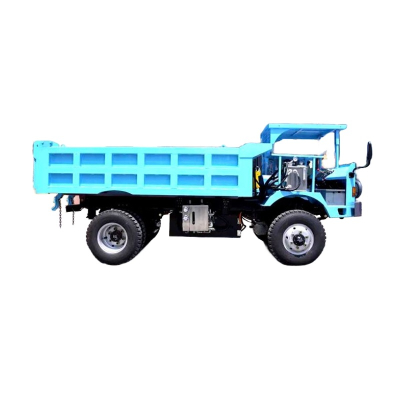
For underground mine foremen, the daily grind isn’t just hitting ore targets—it’s watching diesel gauges drop faster than haul trucks climb 20% slopes. A mid-sized operation running 12 haul trucks burns 1,200 gallons of diesel in a single 12-hour shift, with fuel eating 30% of the haulage budget. That’s cash that could fix blocked ventilation ducts or add two extra loader operators—not waste on idling at ore chutes. The fix? Fuel-optimized drivetrains for underground trucks: a tailored upgrade that slashes fuel use by 30% while cutting engine overheating delays. For mines fighting tight margins, these drivetrains aren’t a “tech add-on”—they’re the difference between hitting quarterly targets and scaling back shifts.

Why Underground Haul Trucks Burn Diesel Like It’s Free
To fix fuel waste, you first need to see it through a foreman’s eyes—these aren’t “general inefficiencies” but shift-specific pain points:
1.1 Slopes, Stops, and Dead Weight
A 45-ton haul truck carries 50 tons of ore per run, plus its own 40-ton curb weight—enough to push standard engines to max output for 3-minute climbs up 18% slopes. But the bigger waste? Pausing twice at blocked ore chutes per run: each stop restarts the engine, burning 0.3 gallons of diesel before the truck moves an inch. Outdated drivetrains don’t adjust torque for these quick bursts; they roar at full power, wasting fuel to haul dead weight between delays. For crews, underground haul fuel savings start with fixing this “stop-climb-waste” cycle.
1.2 Tunnel Air That Kills Efficiency
Cramped tunnels trap hot air—temperatures hit 95°F by mid-shift—forcing engines to work 20% harder to stay cool. Narrow passageways also amp up drag: trucks can’t “draft” or adjust speed smoothly, so they burn extra fuel to push through stagnant air. Most standard drivetrains skip cooling tweaks for tight spaces; their radiators clog with dust, making the problem worse. Energy-smart mining drivetrains fix this with sealed, compact cooling systems that work even in 100°F tunnel heat.
The Drivetrain Tech That Cuts Fuel Use by 30%
Fuel-optimized drivetrains for underground trucks aren’t “better engines”—they’re shift-tailored systems built for mine-specific chaos. Here’s the on-the-ground tech driving savings:

2.1 Hybrid-Electric Drivetrains (Tuned for Tunnels)
Many mines now pair 6.7L compact diesel engines (tuned for 2,000-foot underground altitude) with 150kW electric motors. On the 500-foot flat stretch between the ore chute and the first slope, the motor runs solo—no diesel burn, just stored energy from the last downhill descent (which recovers 1.2kWh per 10% slope drop). When climbing that 18% slope, the diesel engine kicks in only to supplement the motor—cutting engine strain (and fuel use) by 25%. For stop-and-go shifts, regenerative braking recaptures 0.5 gallons of fuel-equivalent energy per chute pause.
2.2 Precision Fuel Injection (For Chute-Pause Cycles)
For diesel-only mines, “pulse-timed common-rail injection” is a game-changer. Unlike old systems (which blast fuel in rough bursts), this tech delivers 0.01-ml fuel pulses timed to engine RPM and truck speed. When the truck pauses at a chute, it cuts fuel flow to 10% of idle levels (instead of full idle) and ramps up gradually when moving—wasting 0.1 gallons per pause instead of 0.3. The result? Underground mining truck fuel efficiency jumps 15% on shifts with frequent chute delays.
2.3 Lightweight Drivetrain Parts (That Survive Dust)
Modern fuel-optimized drivetrains for underground trucks swap 200-lb steel gear casings for 80-lb aluminum-carbon composites. These parts cut total drivetrain weight by 7 tons—so the engine burns 10% less fuel to haul the same ore load. Critically, the composites are dust-sealed: they don’t crack or clog like steel, so maintenance teams skip 2 hours of weekly cleaning (freeing up time to fix other issues).
2.4 Shift-Tuned AI Management
Top-tier drivetrains add AI that “learns” your mine’s shift patterns. For example: if the night shift hits more chute delays, the AI ramps up regenerative braking during those hours. If the day shift climbs steeper slopes, it adjusts torque to cut engine strain. This smart tuning adds an extra 8% fuel savings—on top of hybrid or injection upgrades.

Foreman-Proven Results: Fuel Savings in Action
These aren’t lab numbers—they’re shift-by-shift wins from actual mines:
3.1 Northern Ontario Hard Rock Mine
A 12-truck hard rock mine in Ontario’s Sudbury Basin spent $820,000 yearly on fuel (15.2 gallons per truck per hour). In 2023, it upgraded 6 trucks to hybrid fuel-optimized drivetrains for underground trucks. After 6 months:
The upgraded trucks used 10.9 gallons per hour (28% less fuel)
Night shifts hauled 270 tons of ore (up from 240) — no more overheating delays on steep climbs
Monthly fuel savings hit $14,300 per truck — enough to add a part-time ventilation technician
“The hybrid drivetrains don’t just save fuel—they let us run an extra ore cycle per shift,” said the mine’s night foreman.
3.2 Queensland Coal Mine
A 20-truck coal mine in the Bowen Basin faced $470,000 in annual fuel overages (510,000 gallons burned yearly). In 2022, it fitted all trucks with pulse-timed injection fuel-optimized drivetrains. By 2023:
Fuel use dropped 31% (saving 158,100 gallons)
Emissions fell 35% — hitting the state’s 2023 sustainability mandate
Maintenance time for fuel systems cut by 20 hours monthly
“We thought we’d have to slow shifts to save fuel—instead, we hauled the same load faster,” noted the mine’s operations coordinator.

How to Pick a Drivetrain That Fits Your Mine
Not every drivetrain works for every shift. Use these foreman-tested tips:
4.1 Match to Your Slope & Chute Count
If your trucks climb 20%+ slopes and pause 3+ times per run: Go hybrid-electric fuel-optimized drivetrains (regenerative braking cuts chute-pause waste)
If slopes are under 15% but chutes cause frequent stops: Pick pulse-timed injection drivetrains (cheaper upfront, perfect for stop-heavy shifts)
4.2 Tailor to Your Tunnel’s Worst Flaw
Hot tunnels (95°F+): Pick drivetrains with sealed, compact cooling systems
Dust-heavy mines: Skip steel parts—go for aluminum-carbon composite drivetrains
Emissions-restricted regions: Hybrid-electric energy-smart mining drivetrains are the only option
4.3 Prioritize On-Site Support (Not Just Price)
Fuel-optimized drivetrains need mine-specific tweaks (like altitude tuning for 3,000-foot tunnels). Pick a trusted supplier that sends techs to your site for 2 weeks post-install—they’ll adjust the AI to your shift patterns, so you don’t waste fuel on “one-size-fits-all” settings.

What’s Next: Drivetrains That Tie to Green Shifts
Mines aren’t just saving fuel—they’re tying drivetrains to carbon-neutral goals:
Full-electric drivetrains: New 30-minute fast-charging batteries let trucks run 8-hour shifts without diesel. A Chilean copper mine tested these in 2024 and cut fuel use by 55%.
Solar-powered charging: Mines are hooking hybrid drivetrains to on-site solar panels (powered by daylight through shaft openings). This cuts diesel reliance by 20% on day shifts.
Shift-synced AI: Future drivetrains will sync with loader schedules—they’ll idle less at chutes by timing runs to when ore is ready. This could push fuel savings to 40% by 2028.

Conclusion: Stop Wasting Fuel on Every Shift
For mine foremen, fuel waste isn’t a “budget line”—it’s time lost on repairs, shifts cut short, and targets missed. Fuel-optimized drivetrains for underground trucks fix the shift-specific pain points (chute pauses, steep climbs, hot tunnels) that burn diesel.
Real mines are already reaping the rewards: more ore hauled per shift, less downtime, and cash back for safety upgrades. When picking a drivetrain, match it to your mine’s flaws (not just a sales pitch) and prioritize on-site support.
Don’t let fuel gauges dictate your shifts. Contact us to explore how a drivetrain tuned for your mine can deliver savings—and smoother shifts—that are too big to ignore.