
 Español
 Português
 العربية
 Francés
 Русский
 Italiano
 Türk
Türk
 Indonesia
 हिंदीName
Small-Scale Mining Equipment Safety: Compliance, Niche Design & Procurement for Compact Haulers
Small-scale mining—you know, the kind that makes up 35% of all global mineral production (per 2026 numbers from the International Small-Scale Mining Association, ISMEA)—is spreading into more artisanal and narrow-vein spots these days. That means safety rules for compact haulers (think 5-ton wheeled dump trucks) aren’t just “nice to have” anymore—they’re non-negotiable.
Here’s the thing: these small haulers don’t face the same risks as big mining gear. They’re squeezing through super tight underground tunnels, dealing with mines that have basically no proper ventilation, and rolling over rickety, unpaved haul paths that artisanal sites often use. For anyone buying these haulers, focusing on safety here isn’t just about following rules—it cuts accident rates by 52% (per ISMEA’s 2026 Safety Benchmark) and lowers the chance of your site getting shut down by 68% in strict places like the EU or Australia.
This guide’s all about small-scale mining haulers: we’ll break down safety rules for different regions, the specific design tweaks these compact trucks need, and how to make sure your supplier’s actually giving you safe, compliant gear.
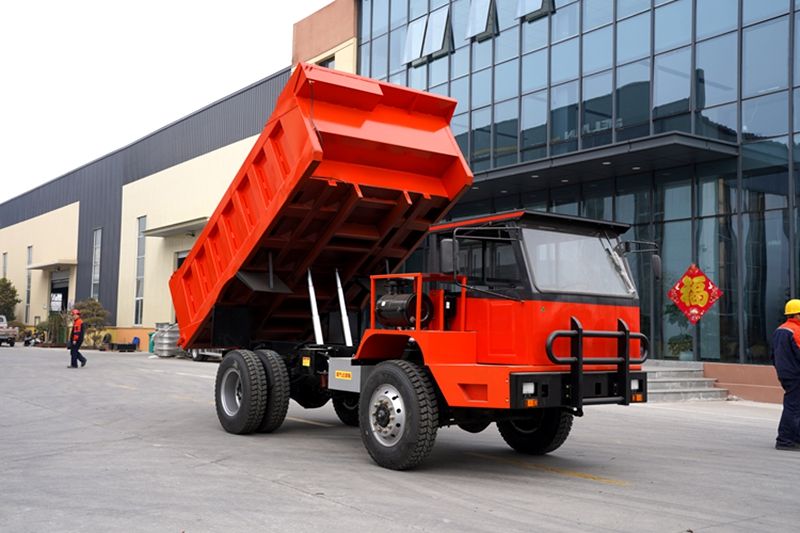
The Unique Safety Risks Small Mining Haulers Deal With
Compact haulers (the ones that max out at 10 tons) operate in spots that big mining equipment almost never goes to—and that means they’ve got their own set of safety headaches:
Cramped Tunnel Risks: Most underground artisanal mines have tunnels only 1.8 meters wide—like, barely enough room for the hauler plus a person to squeeze by. That means the truck’s constantly at risk of scraping (or slamming into) tunnel walls, so you need reinforced body panels and 360-degree cameras to cover every blind spot.
Bad Ventilation Risks: Small mines don’t have the industrial fans and airflow systems big sites use. So if your hauler’s engine spits out too much exhaust, fumes build up fast—and that’s toxic for operators. You need low-emission engines here, no questions asked.
Rough Site Risks: Artisanal mines usually have haul paths that are just dirt—unpaved, bumpy, and slopy. That makes rollovers way more likely, so the hauler needs to sit low to the ground (low center of gravity) and have systems that keep it stable when the load shifts.
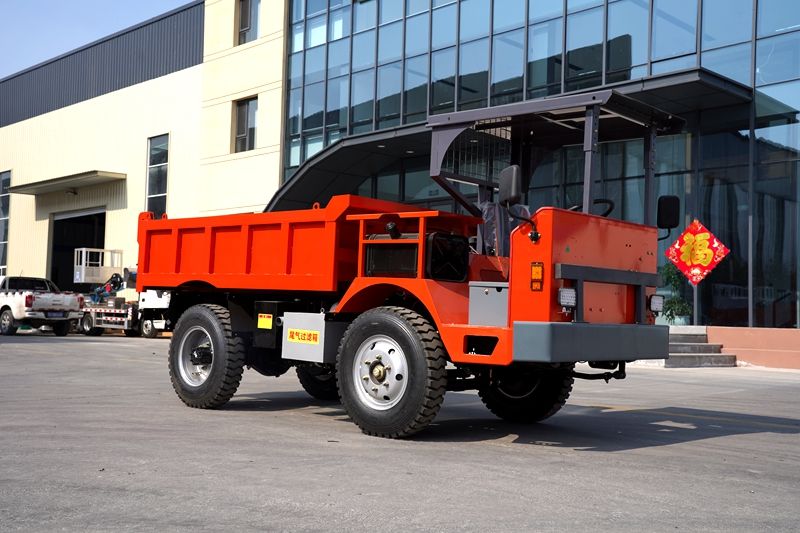
Safety Rules for Small Haulers (By Region)
Regulators aren’t using the same rules for small haulers as big mining gear—they’ve got niche standards for these compact trucks, depending on where you’re operating:
European Union (EU) Rules for Small Mining Gear
ATEX Annex II (2025 Update): If you’re using a compact hauler in an underground EU mine (especially ones with explosive gases, like coal mines), the truck needs tiny flameproof enclosures for its 12V electrical system (that’s the setup most 5-ton haulers use). These have to meet IEC 60079-0 safety standards, and you’ve got to get them rechecked every year on-site.
EU Small Mining Directive 2024: The operator’s cabin needs a foldable ROPS (that’s the rollover protection cage). Why foldable? Because EU small mine tunnels are often only 1.9 meters tall—so the cage has to tuck down to fit, but pop up in 2 seconds flat if the truck starts to roll.
Australian Small Mining Safety (Safe Work WA 2026)
Compact haulers in Western Australia’s artisanal gold mines need “tunnel width sensors”: if the truck (plus its load) gets wider than 1.7 meters, it automatically slows down to 5 km/h—so it doesn’t get stuck or scrape the tunnel walls.
Fire suppression systems have to cover both the engine and the load bed. Ore dust catches fire easy, so you can’t just protect one part of the truck.
Latin American Rules (Peru Mining Safety Agency 2025)
Small haulers in Peru’s narrow-vein mines need a manual emergency hatch (on top of the regular doors). If a tunnel collapses, the operator can climb out through the hatch instead of being trapped.
Also: Operators have to take 8 hours of training that’s only for small haulers—training for big trucks doesn’t cover the tight-tunnel tricks you need here.
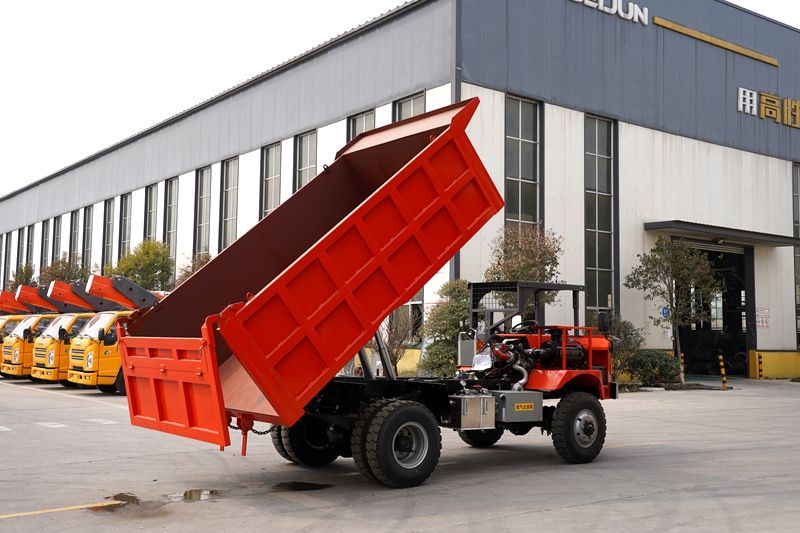
The Specific Safety Features Small 5-Ton Haulers Need
Small haulers aren’t just “shrunken big trucks”—they need design tweaks that big gear doesn’t. Here’s what to look for:
Maneuverability & Crash Protection
360° Fish-Eye Cameras: Mounted on the front and sides of the 5-ton hauler (especially narrow-body models). In 1.8-meter tunnels, you can’t turn your head to check blind spots—these cameras show you everything on a screen in the cabin.
10mm Reinforced Side Skirts: These are thicker than what ISMEA requires for 2026 (they just ask for 8mm). The extra metal absorbs hits from tunnel walls, so the truck doesn’t get damaged—and the operator stays safe.
Emission & Ventilation Control
Tier 5 Ultra-Low Emission Engines: Think 63-horsepower engines like the Changchai 490—they’re tweaked so they put out no more than 30g of CO per kWh. That’s low enough to not choke operators in mines with bad airflow.
Cabin CO Sensors: If fume levels hit 25ppm (that’s the point where it gets dangerous), the sensor triggers the cabin’s air recirculation system. It pulls clean air from a sealed tank instead of sucking in tunnel fumes.
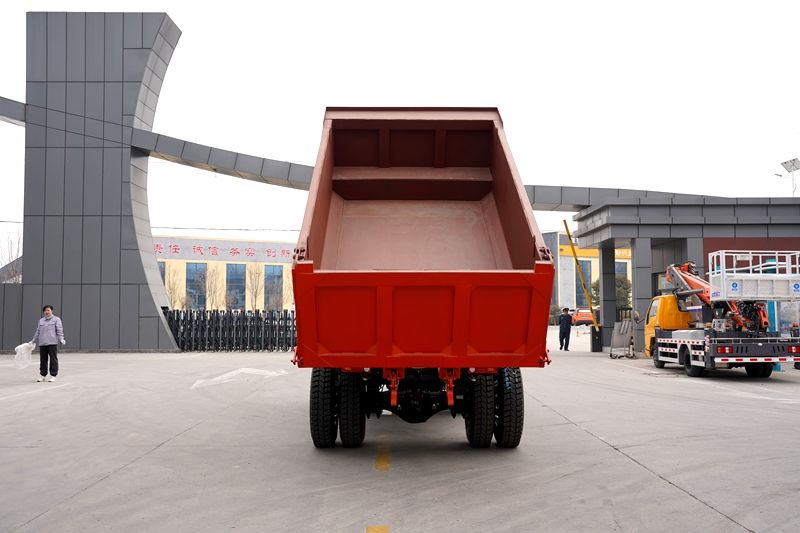
Stability & Rollover Prevention
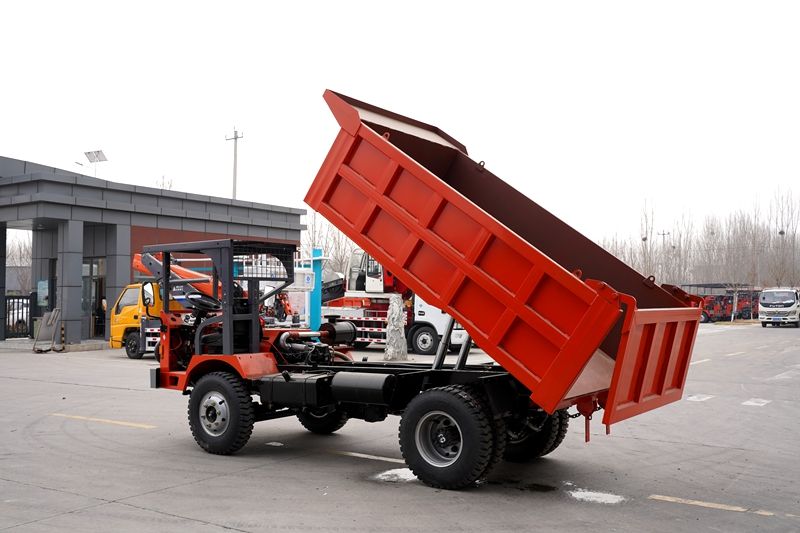
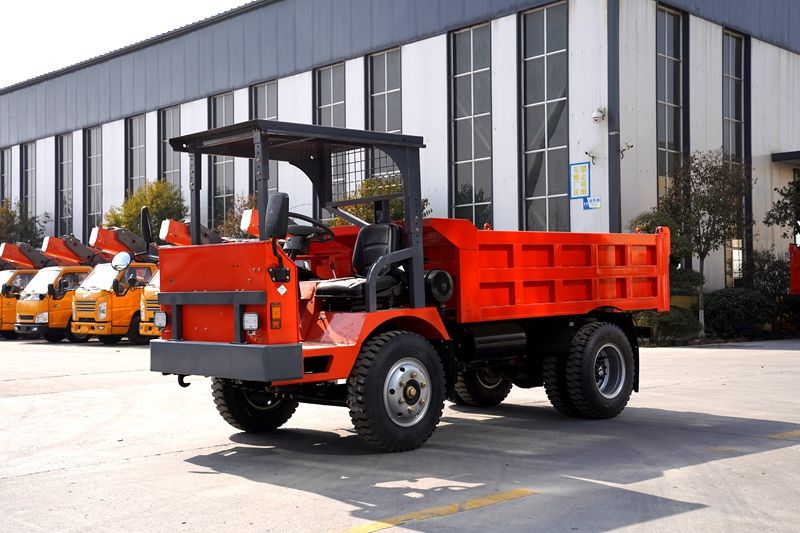
Low-Center-of-Gravity Construction: Most 5-ton compact haulers are only 1.55 meters tall (and 4.4 meters long). Sitting low keeps them from tipping over on 20-degree slopes—super common in small open-pit mines.
Load-Balance Sensors: If the ore shifts more than 15% to one side (say, when you’re turning a tight corner), the sensor beeps loud in the cabin. That gives the operator time to slow down before the truck tips.
How to Pick a Safe Small Hauler Supplier
Small hauler suppliers don’t always have the same compliance setup as big manufacturers—so you’ve got to check these things:
Double-Check the Right Certifications: Make sure they have ISMEA’s Compact Hauler Safety Certification. Generic mining certifications won’t cut it here—you need the one that specifically covers narrow tunnels and low emissions. Choosing a supplier with a proven engineering background is key.
Test Tunnel Maneuverability: Ask the supplier to demo the hauler in a 1.8-meter-wide, 1.9-meter-tall test tunnel. If it takes more than 2 tries to make a 90-degree turn? Walk away— it’ll be a nightmare in real mines.
Confirm Spare Parts Are Easy to Get: Small hauler parts (like foldable ROPS hinges) are pretty specialized. Make sure the supplier has 24-hour access to parts in your mining region—if you’re in Latin America, you don’t want to wait 2 weeks for a hinge from Europe.
FAQ: Safety for Small Mining Haulers
Q1: Can a 5-ton compact hauler work in both underground and open-pit small mines?
A1: Yep—if it has two features: a foldable ROPS (for underground tunnels) and load-balance sensors (for open-pit slopes). Most 5-ton narrow-body models have both, and ISMEA certifies them for both environments (as of 2026).
Q2: How much more do compliant 5-ton haulers cost than non-compliant ones?
A2: You’ll pay 18–22% more upfront for a compliant hauler. But here’s the math: they save you around $12,000 a year on fines (per ISMEA 2026 data) and cut downtime by 40%. So the extra cost pays for itself in 18 months.
Q3: How do you train operators for small haulers (instead of big trucks)?
A3: Use the supplier’s training modules that focus on tight-tunnel driving, checking load balance, and using the emergency hatch. Then do on-site drills in a simulated tunnel—practice makes perfect when you’re squeezing through 1.8-meter spaces.
Next Steps: Get Safe, Compliant Small Haulers
For small-scale mining, the safety of your compact hauler makes or breaks your operation—no safety means no production (and no profit). When you’re buying your next 5-ton hauler:
Match the hauler’s features to your site (foldable ROPS for underground, stability sensors for open-pit).
Shortlist suppliers that have ISMEA’s compact hauler cert and parts in your region.
Ask for a tunnel maneuverability demo—don’t just take their word for it.
Focusing on small-hauler-specific safety doesn’t just keep your team safe—it keeps your mine running smoothly, no matter how tight or rough the site is. Contact our expert team for reliable transport solutions tailored to narrow tunnel environments.


