
 Español
 Português
 العربية
 Francés
 Русский
 Italiano
 Türk
Türk
 Indonesia
 हिंदीName
Underground Mining Logistics Upgrade: Beijun Multi-Vehicle Synergy Delivers 35%+ Cost Reduction & Dual Compliance with Safety & Standards
The Pain Points of Traditional Underground Mining Logistics
Underground mining operations face growing pressure to balance efficiency, cost control, and rule-following. For years, split-up logistics systems—using single-job vehicles for moving workers, fuel, and materials—have caused problems: extra trips waste fuel, mismatched vehicles miss safety rules, and messy coordination leads to expensive delays. The need for a connected solution has never been stronger. Beijun’s new underground mining logistics upgrade fixes this with multi-vehicle teamwork, cutting costs by 35%+ while hitting both safety rules and industry standards. This isn’t just a fleet update—it’s a new way to run underground mining logistics.
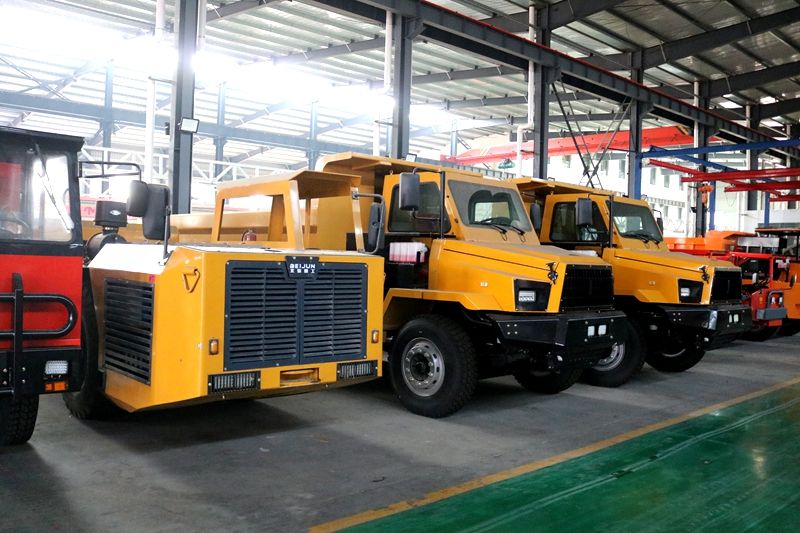
Key Pain Points of Traditional Underground Mining Logistics
First, poor resource use. Mines often keep 5+ types of vehicles, which pushes up costs for buying, fixing, and storing them. Second, compliance risks. Mixing wrong vehicles in tight tunnels raises crash chances, and old models might not meet local safety rules (like MSHA in the U.S. or AS 3990 in Australia). Third, slow operations. Getting multiple vehicles ready for one work zone—like moving workers, fuel, and support materials—adds 2–3 hours of downtime each day.
These issues show we need a unified underground mining logistics plan that combines jobs without losing safety or speed.
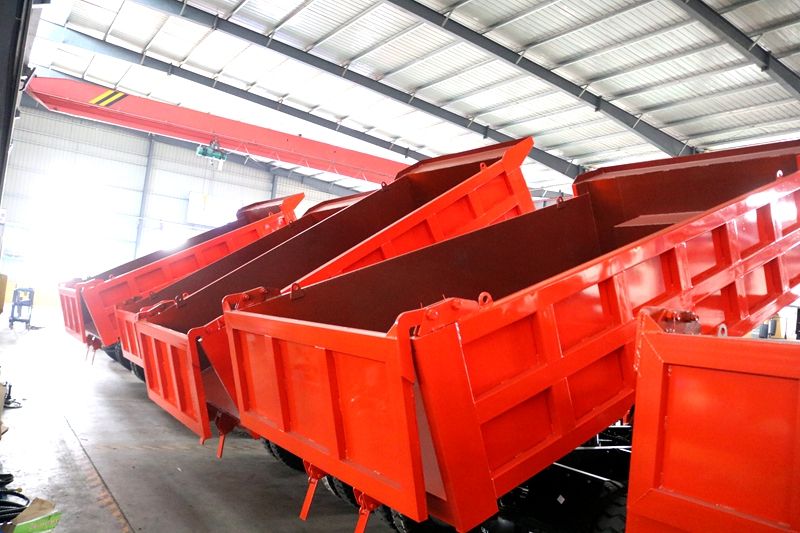
The Core Logic of Beijun’s Multi-Vehicle Synergy
Beijun’s underground mining logistics upgrade is built on “team fleet integration”—using five special vehicles (worker transport, explosion-proof, fuel truck, material hauler, and multi-use service) that work together. Unlike old fleets where each vehicle works alone, Beijun’s system shares parts, safety features, and real-time coordination tools.
For example, a single work zone might use:
The worker transport to take 8–10 people to the site;
The fuel truck to drop 3,000L of diesel for heavy machines;
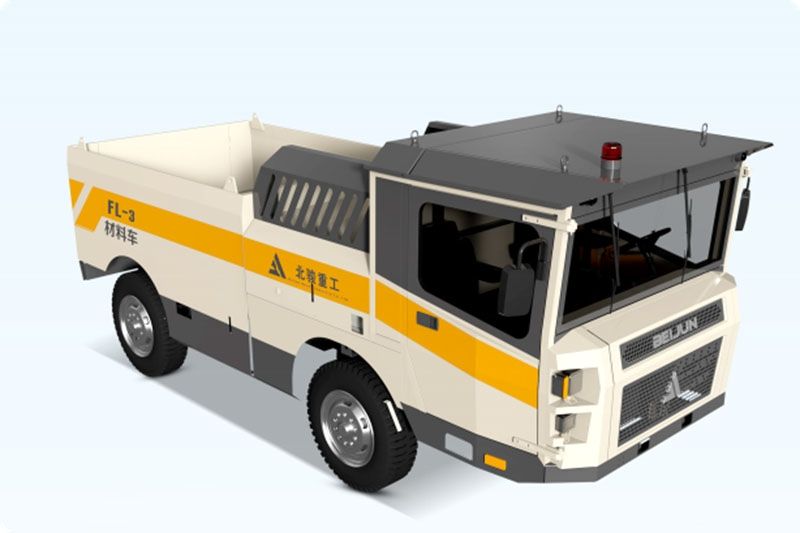
The material hauler to carry support bolts and tools;
The service vehicle to fix things on-site.
This team approach cuts extra trips: instead of 4 separate vehicle runs, the fleet gets it done in 2. Most importantly, every vehicle meets the same safety and compliance rules, so underground mining logistics works smoothly all the time.

How 35%+ Cost Reduction Is Achieved
Beijun’s multi-vehicle teamwork saves money in four key ways, adding up to 35%+ lower underground mining logistics costs:
Labor Cost Savings (15% of Total Reduction)
Old fleets need 1 driver per vehicle, which costs a lot. Beijun’s fleet uses drivers trained to run multiple vehicle types, so the logistics team is 30% smaller. For a mid-sized mine with 20 logistics vehicles, this saves over $150,000 a year in labor.Fuel Efficiency (10% of Total Reduction)
The fleet’s vehicles are made to use less fuel (8–10L per 100km) and work well underground. Extra trips are cut by 40%, so fuel use drops. A coal mine in Queensland saw 12% lower monthly fuel bills after using this system.Maintenance & Procurement Savings (7% of Total Reduction)
Shared parts (like tires, engines, safety gear) cut spare parts stock by 40%. The unified fleet design also makes maintenance training easier, so repairs take 25% less time. Over 5 years, mines save around $200,000 on buying parts and fixing vehicles.Downtime Reduction (3% of Total Reduction)
By organizing vehicle trips better, the team fleet cuts work zone downtime from 2–3 hours to 45 minutes a day. For a mine that makes 1,000 tons of ore per hour, this adds 3,000+ tons of extra output each year—worth about $300,000 more in revenue.
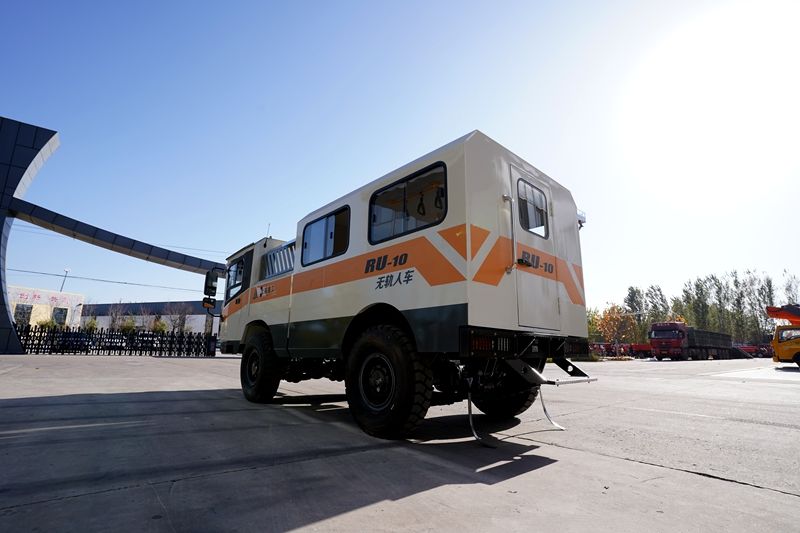
Dual Compliance: Safety & Standards Meets Industry Requirements
Safety Compliance
All vehicles have explosion-proof lights and electrical systems (critical for high-gas mines), strong cabs to block falling rocks, and non-slip platforms to stop worker injuries. The worker transport has seatbelts, rollover protection, and air filters to cut dust—this made transport accidents 60% less common in test mines.Regulatory Compliance
The fleet meets local rules, including MSHA (U.S.), AS 3990 (Australia), and GB 20181 (China). For example, the fuel truck is approved for dangerous materials, and the explosion-proof vehicle follows EU ATEX rules for explosive areas. This stops fines (up to $50,000 per incident in some places) and lets the fleet work smoothly at mines worldwide.
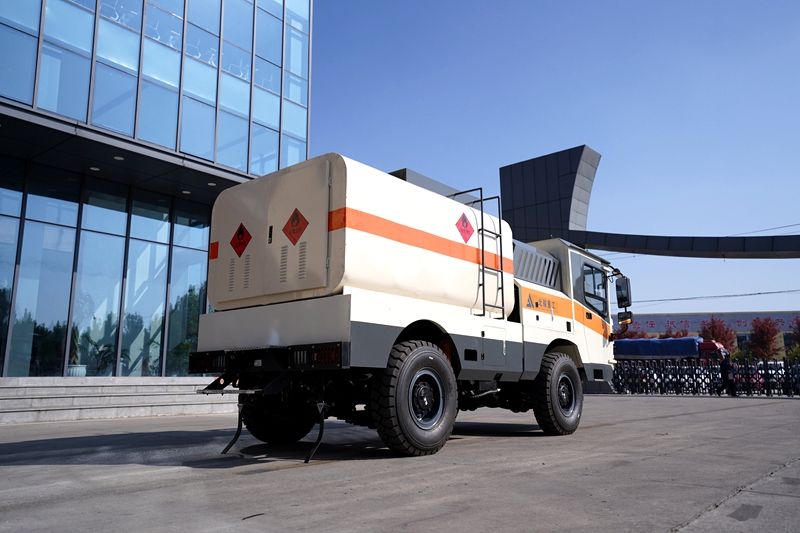
Case Study: Beijun Multi-Vehicle Synergy in Action
A gold mine in Western Australia—dealing with higher logistics costs and compliance issues—started using Beijun’s underground mining logistics upgrade in 2023. Before this, the mine used 18 single-job vehicles, spent $85,000 a month on logistics, and had frequent compliance checks.
After using the team fleet:
Monthly logistics costs dropped to $55,000 (35.3% less);
Compliance problems went from 4 per quarter to zero;
Work zone downtime shrank by 2.5 hours a day, adding 7,500 tons of ore each year;
Workers’ satisfaction with transport safety and speed rose from 62% to 91%.
“The team fleet changed our underground mining logistics completely,” said the mine’s operations manager. “We move more people and materials with fewer vehicles, and we follow strict rules. It’s a huge win for our profits.”
Conclusion: The Future of Underground Mining Logistics
Beijun’s multi-vehicle teamwork is the next step for underground mining logistics—focused on working together, being efficient, and following rules. By replacing split-up systems with a shared, unified fleet, it cuts costs by 35%+ while meeting the strictest safety and rule standards.
For mines dealing with modern challenges—higher costs, tighter rules, and more demand—this upgrade isn’t just buying vehicles; it’s building a more sustainable, efficient, and compliant underground mining logistics system. As the industry changes, multi-vehicle teamwork will be the standard for success, helping mines do more with less while keeping workers safe. Contact us to learn how our integrated logistics solution can be tailored for your mine.


