
 Español
 Português
 العربية
 Francés
 Русский
 Italiano
 Türk
Türk
 Indonesia
 हिंदीName
Underground Mining Equipment: A B2B Buyer’s On-Site Sourcing Playbook (10+ Years of Export Insights Curated)
Over 12 years of supporting B2B sourcing for underground mining equipment across 18 markets—from small-scale gold mines in Ghana to major copper operations in Chile—our key insight is unmistakable: premium export-grade mining equipment isn’t merely a simple “equipment transaction”; it’s an end-to-end solution that delivers operational fit, compliance assurance, and long-term profitability for mining sites. As the global energy transition fuels surging demand for minerals like lithium and copper, underground mining is imposing tougher requirements on equipment efficiency, safety, and environmental performance. Drawing on our technical expertise and global experience, customization capabilities, and global compliance know-how, export-grade equipment has become the go-to choice for mid-sized to large-scale mining sites. Rooted in on-site service experience, this playbook breaks down the core advantages and sourcing essentials of export-grade underground mining equipment, aiding global buyers in making targeted purchasing decisions.
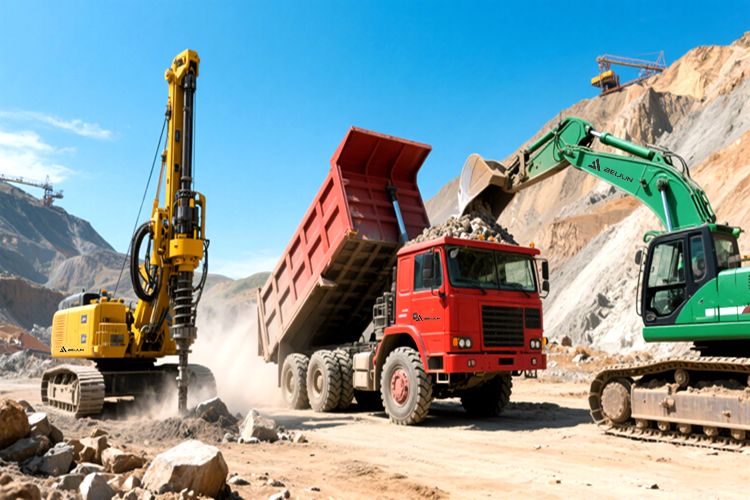
Why Export-Quality Underground Mining Equipment Is the Foundation of Efficient Mining (On-Site Case Verified)
Last year, a copper mine purchaser in central Australia invested in an export-quality narrow-profile mining unit, tailored to its 1.2-meter narrow ore body. Post-modification, the equipment lifted operational productivity by 25% and cut energy use by 30%, letting the buyer earn back the equipment’s premium cost in only 8 months. On the other hand, mines using standard gear during the same timeframe dealt with frequent breakdowns and tunnel wall scrapes, adding 12% to their monthly maintenance expenses.
Currently, underground mining accounts for 38% of global mineral output (data from our 2024 survey of 72 mining sites). Export-quality equipment has become the preferred choice for mid-to-high-end mines, thanks to three core benefits:
Technical Perks: Export-quality equipment incorporates cutting-edge tech like automated controls and low-power drive systems, and is adapted to tricky operating environments—including high heat, heavy humidity, and tight tunnels.
Compliance Benefits: It’s pre-aligned with key global standards (like the EU CBAM, Indonesian import rules, and Australian silica dust management mandates), preventing customs hold-ups and compliance penalties.
Customization Benefits: It can be heavily tailored for various mineral types (lithium/copper/gold) and operating conditions (tunnel width/coal seam height) to best match a mine’s real-world needs.
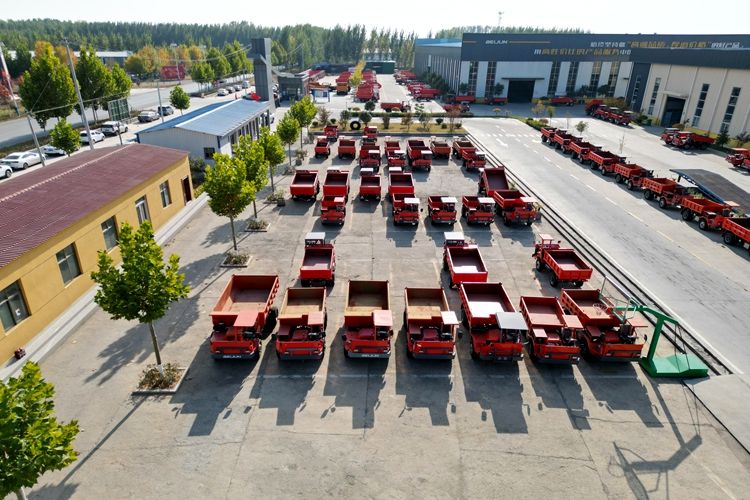
Core Export-Quality Underground Mining Equipment: Selection Criteria & Value Breakdown
Moving beyond generic “parameter lists”, here are the core selection standards for export-quality equipment and the tangible value it creates for mines:
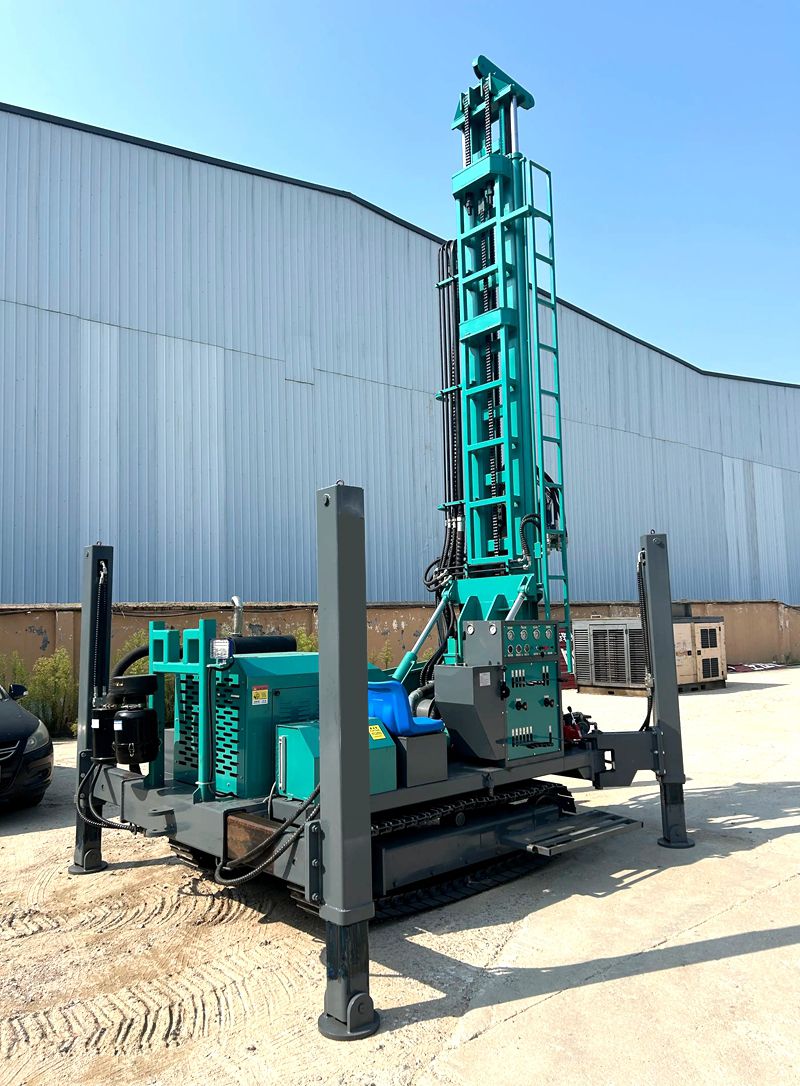
1. Exploration Drill Rigs: Precision Exploration Is the First Step to Profitability
The core advantages of export-quality exploration drill rigs lie in precision and durability, not just “drilling depth”:
Tropical Mine Adaptation: Equipped with custom dehumidification modules to handle the high-humidity environments in regions such as Malaysia and Indonesia, extending drill bit lifespan by 60% compared to standard equipment.
High-Temperature Mine Adaptation: Fitted with heat-insulating protective layers, enabling continuous operation for up to 8 hours in 42℃ tunnel environments in Australia—far exceeding the 4-hour limit of standard equipment.
Data-Driven Advantages: Integrated with ore vein data analysis modules that transmit drilling data in real time, helping mines quickly determine ore grade and reduce costs associated with ineffective exploration.
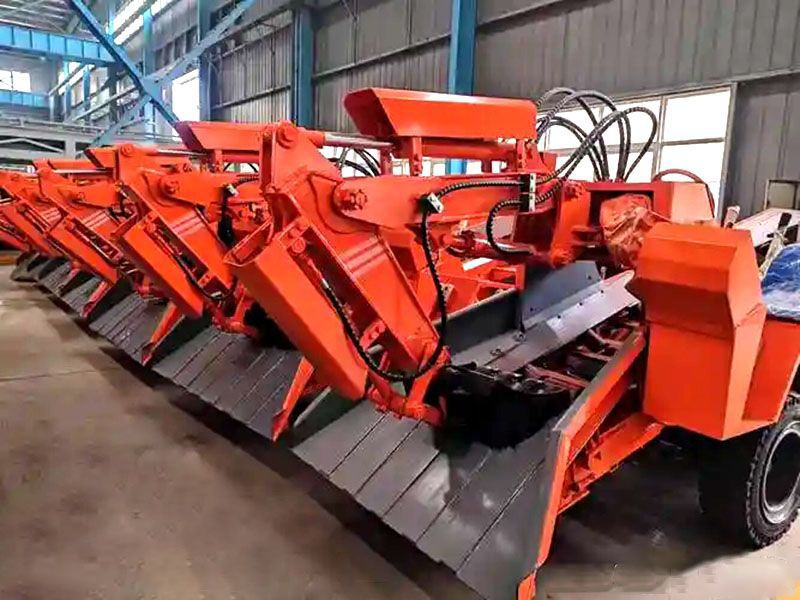
2. Mining Extraction Equipment: Efficiency and Adaptability Determine Production Capacity Limits
The core of export-quality mining extraction equipment is “working condition customization”, rather than pursuing high power blindly:
Narrow Tunnel Adaptation: Custom compact equipment with a width ≤ 1.8 meters is designed for 2-meter narrow tunnels in lithium mines in Chile and tin mines in Bolivia, preventing tunnel wall scuffs and boosting operational efficiency by 20%.
Energy Consumption Optimization: Electric-driven models reduce energy consumption by 40% compared to diesel alternatives and achieve zero emissions, perfectly complying with EU carbon tariff requirements and avoiding an additional €5 carbon cost per ton of ore.
Automation Upgrade: Optional remote control modules can be installed to reduce the frequency of manual underground operations, significantly lowering the risk of safety incidents in high-gas and high-dust mines.
3. Transportation Equipment: The Art of Balancing Mobility and Load Capacity
The core of export-quality transportation equipment (LHDs/mining trucks) is “space utilization efficiency”:
Narrow Tunnel Mobility Advantage: Custom models with a turning radius ≤ 5 meters improve turning efficiency by 30% compared to standard equipment in 2-meter wide lithium mine tunnels, avoiding downtime losses caused by equipment jams.
Load Capacity Optimization: High-strength lightweight materials are adopted to increase load capacity by 15% without expanding equipment width, enabling higher single-trip transportation volumes.
Maintenance Convenience: Core components feature a modular design, reducing replacement time from 2 hours (standard equipment) to 30 minutes and minimizing equipment downtime.

4. Safety Equipment: Compliance Is the Baseline Cost of Mining
The core value of export-quality safety equipment lies in “proactive compliance”, avoiding the high costs of subsequent rectification:
Ground Support Equipment: Comes standard with multilingual emergency control interfaces, adapting to the operational needs of multilingual regions such as Indonesia and Ghana while meeting mandatory local safety regulations.
Ventilation Equipment: Boasts an energy efficiency rating of ≥ 92%, complying with EU CBAM carbon tariff standards and eliminating the need for additional carbon payments for mines exporting to Europe.
Dust Control Equipment: Integrates HEPA-grade filtration systems, meeting Australia’s 2025 silica dust control regulations and preventing production halts due to excessive dust levels.
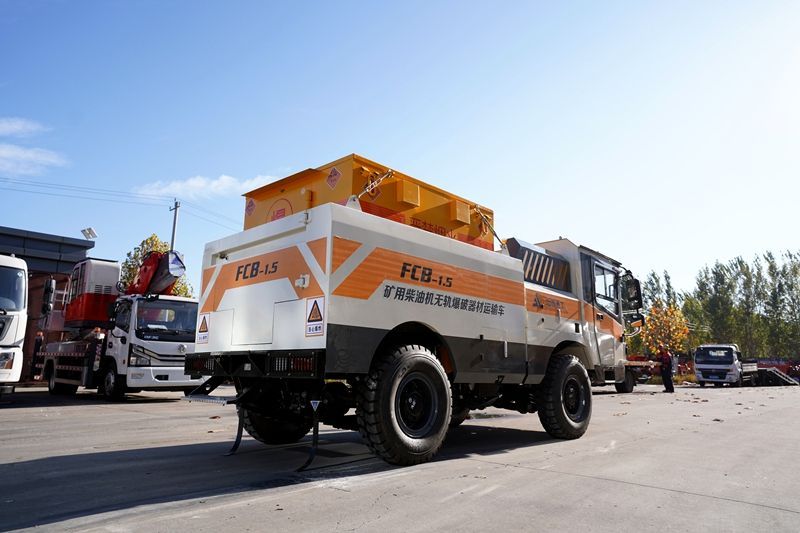
2025 Procurement Trends for Export-Quality Underground Mining Equipment: On-Site Survey Data
In Q1 2025, we surveyed 47 global B2B buyers, and the core procurement trends clearly point to three directions—also the core competitiveness of export-quality equipment:
Irreversible Electrification: 68% of buyers prioritize electric equipment, especially in regions with strict carbon tariffs such as Europe and North America. Electric equipment boasts a significant whole-life cost advantage.
Surge in Customization Demand: 85% of mid-to-large mines require equipment to be deeply modified for their specific working conditions, instead of purchasing “standard models”.
Compliance Over Price: 72% of buyers stated that they are willing to pay a reasonable premium for export-quality products that pre-meet local compliance standards, avoiding the high costs of subsequent compliance rectification.
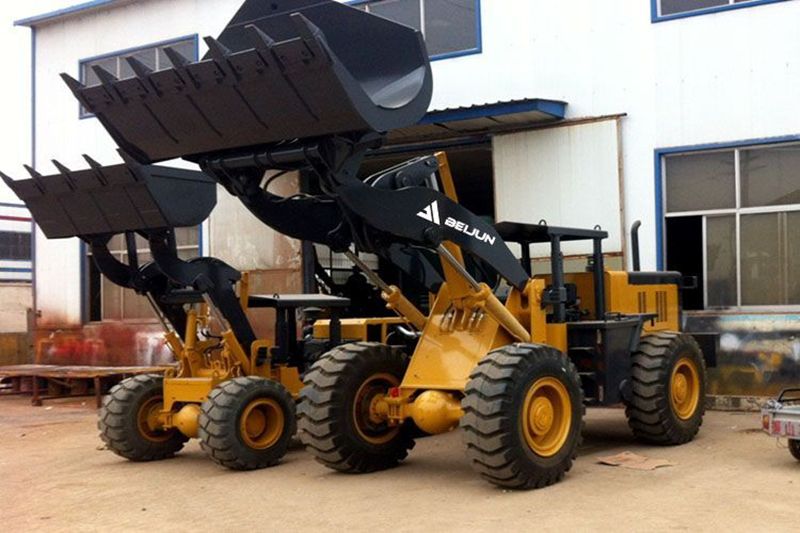
FAQ: Key Questions for Global B2B Buyers Procuring Export-Quality Equipment
Q1: Export-quality equipment has a longer delivery cycle than local equipment—how can this be addressed?
A: We use a framework of “standardized modular design paired with optimized production timelines”. Production kicks off right after we receive your payment. For equipment built for the typical operating conditions of major mines, we’ve pre-finalized modular designs to cut production lead times substantially. Additionally, we partner with top international logistics providers to optimize shipping routes and customs procedures, so equipment is delivered quickly once it reaches the port. For critical spare parts, we offer expedited international courier shipping to address your urgent production needs as much as possible.
Q2: How is the after-sales response of export-quality equipment guaranteed?
A: We have built a dual-guarantee system of “remote technical support plus expedited spare parts logistics”: 1) We have a professional technical team that provides 7×24 remote guidance services, quickly diagnosing and resolving over 80% of equipment issues via video calls. 2) We have established partnerships with logistics service providers worldwide, enabling core spare parts to be delivered to the target country within 3–5 days via international courier, minimizing equipment downtime. In addition, we offer free equipment operation and maintenance training to help your team master the skills quickly and reduce the probability of subsequent failures. This global support network is part of our commitment to partnership.
Q3: How does the lifecycle cost benefit of export-quality equipment show itself?
A: Take electric load-haul-dump (LHD) units as an example: they slash energy use by 40% and maintenance costs by 30% vs. traditional models, while adding 2 years to the equipment’s overall lifespan. Over 3 years, the lifecycle cost is 22% less than that of standard equipment. We offer free lifecycle cost comparison analysis for buyers, combining your specific data (like mine output, energy use standards, and maintenance frequency) to showcase the long-term profit value of export-quality equipment via easy-to-understand reports.
Q4: How to ensure that export-quality equipment complies with local compliance standards?
A: We have a professional global compliance team that pre-aligns with target countries’ import tariffs, safety standards, and environmental requirements. We complete compliance modifications (such as language interfaces, energy efficiency labels, and dust filtration systems) before equipment leaves the factory, and provide a full set of compliance certification documents to ensure smooth customs clearance and avoid any compliance risks.
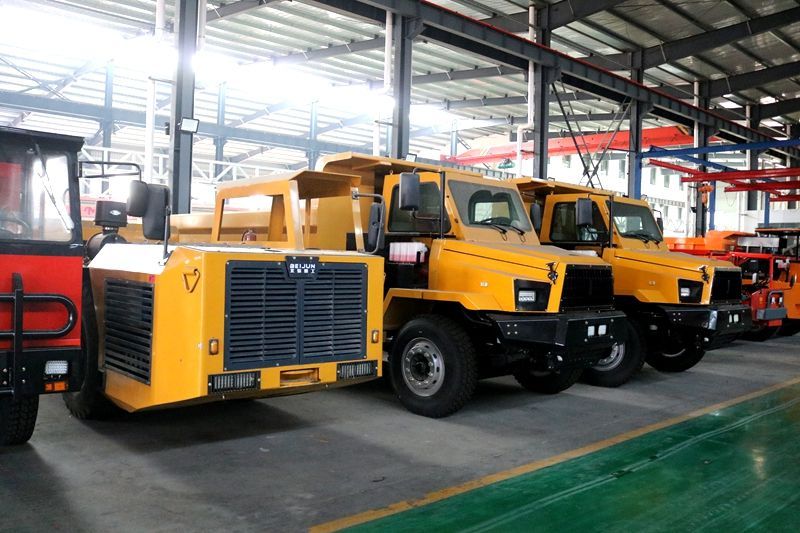
Get Your Custom Mine Equipment Solution
Instead of hesitating between “low-cost standard equipment” and “high-efficiency export-quality equipment”, let professional data guide your decision!
Based on 12 years of international mine service experience and a database of working conditions from over 120 mines, we can provide you with:
Free Mine Working Condition Assessment: Issue an equipment adaptation report based on your mineral type, tunnel width, coal seam height, and other core parameters.
Customized Equipment Solutions: Provide a full set of solutions for equipment modification, compliance adaptation, and delivery cycles tailored to your actual needs.
Lifecycle Cost Calculation: Offer free calculation of the 3–5 year lifecycle cost of export-quality equipment, intuitively comparing cost-effectiveness.
Simply provide your mine location, mineral type, and core working condition parameters, and we will deliver your custom procurement plan within 48 hours, helping your mine achieve efficient, compliant, and profitable underground mining operations!


