Español
 Português
 العربية
 Francés
 Русский
 Italiano
 Türk
Türk
 Indonesia
 हिंदीName
Explosion-Proof Mining Vehicle: Seal + Lamp Checks – No Sparks in Gas Zones
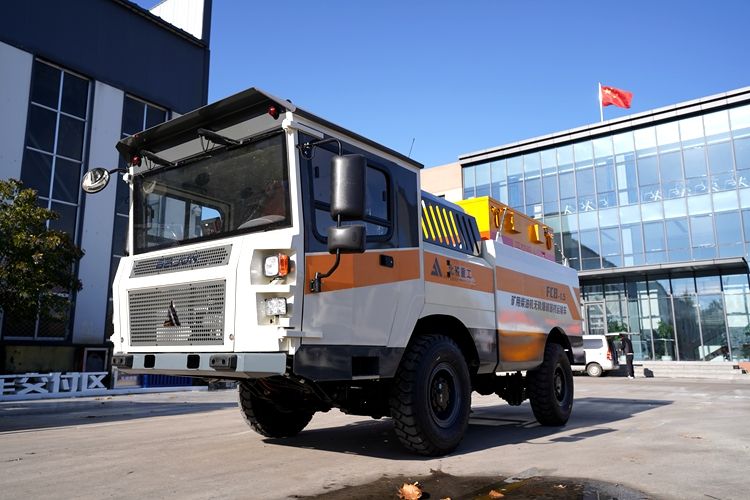
High-gas mines are death traps—gas hits explosive levels out of nowhere. Explosion-proof (Ex) vehicles are built to contain sparks/flames in sealed parts, breaking the explosion chain. But this “Ex capability” isn’t permanent; it lives or dies by daily maintenance. Two non-negotiable checks: seals (keep gas out of electrical enclosures) and Ex lamps (no sparks, just light). Here’s how to do ’em like a field tech.
Why Ex Vehicle Maintenance Is Non-Negotiable
High-gas mines are some of the world’s most dangerous work sites—gas hits explosive levels instantly. Ex vehicles are built for this: sealed electrical boxes, spark-free parts, Ex lamps that trap sparks. But underground’s brutal: dust piles up, vibration shakes parts, temps swing—so safety features wear out: seals harden/crack, lamp housings scratch, cable glands loosen. Once that happens, the Ex rating’s gone—turning a safety tool into a hidden bomb. Mining data: 70% of vehicle-related gas explosion near-misses come from skipped daily checks.
Seal Integrity Checks: Keep Gas Out of Electrical Enclosures
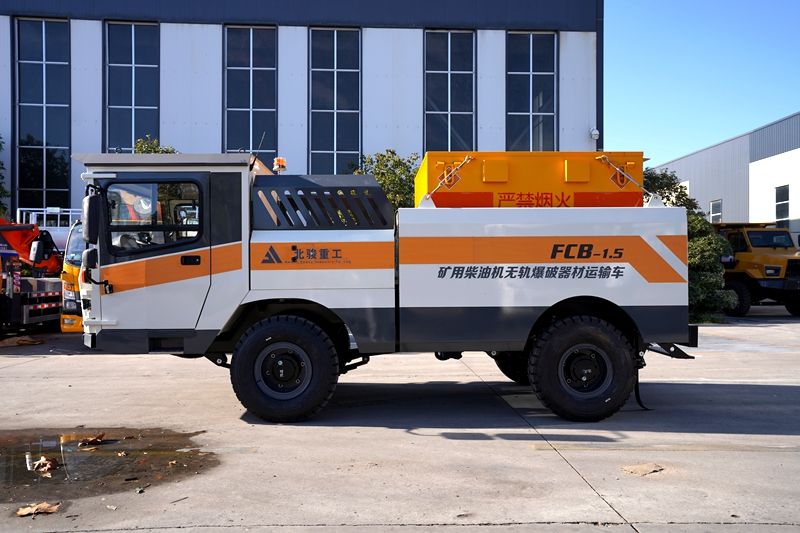
Seals are the first line of defense—they lock gas out of spark-prone electrical boxes. This isn’t a quick look; you need to inspect and test for 100% airtightness:
Tear off enclosure covers and inspect seals:Focus on junction boxes, motor housings, control panels, and battery compartments. Use specialty tools to remove covers (don’t break bolts), then check rubber/silicone seals for wear, cracks, hardness, or warping. Dusty/humid mines age seals fast: hard seals lose elasticity; cracks let gas in directly. Damaged seals = replace with OEM parts—generic seals can’t handle Ex pressure, even if they look the same.
Slather soap solution on seal joints:For critical enclosures (like motor housings), visual checks aren’t enough. Mix 10 parts water + 1 part liquid soap to make foam, then slather it on the seal joint. Tighten enclosure bolts to specs, then gently pump air into the enclosure (pressure <0.1MPa—don’t blow the seal). Steady bubbles = leak—stop pumping, replace the seal, and retest until no bubbles.
Check cable gland seals:Cable glands (where cables enter enclosures) are seal weak spots—people forget ’em. Inspect each gland: 1) Use a torque wrench to tighten it properly; 2) Check the seal between gland and cable (no gaps, snug fit). If the cable jiggles or the seal cracks, replace the gland now. Note: Glands must match the original model—different models have different seal sizes/pressure ratings.
Clean seals and condition rubber ones:Dust/ore particles block tight fits—wipe seals and mating surfaces with a lint-free cloth (no rough materials—scratches). For rubber seals, apply manufacturer-recommended conditioner (stops hardening/cracking, adds 50% to lifespan). Never use oil/grease to “lubricate” seals—they react with rubber and speed up aging.
Ex Lamp Checks: Light the Way (No Sparks)
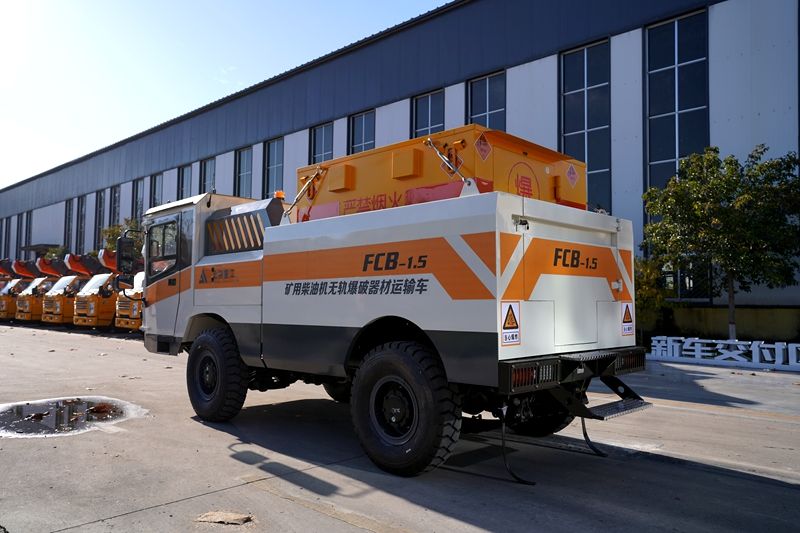
In dark gas tunnels, Ex lamps are “eyes + firewalls”—they light the path and trap sparks. A bad lamp is double trouble: poor visibility = crashes; escaped sparks = gas explosions. Here’s how to test ’em:
Turn on all lamps and watch:Headlights/taillights/work lights/emergency lights—check for brightness and stability. Flickering/dim incandescents = loose bulb/worn filament; dead pixels/uneven LEDs = broken driver. Replace bad lamps now—use the same model/wattage (higher wattage = too much heat, breaks Ex housing).
Inspect lamp housing for damage:Ex lamp housings contain pressure/sparks—any damage voids the Ex rating. Look for cracks, dents, scratches (especially around the glass lens). Even a 1mm crack lets gas in—if damaged, replace the entire lamp (glue/patch won’t restore Ex capability).
Check mounting and grounding:Loose lamps vibrate (damages wiring/seals)—tighten ’em down. Then check the grounding wire: it must be tight (diverts static, prevents sparks). If loose/broken, reconnect it and test continuity with a multimeter.
Wipe the lens (then retest):Dust/ore cuts light output by 30%—poor visibility = crashes. Wipe the lens with a damp lint-free cloth (no harsh cleaners—scratches glass). Retest the lamp to ensure full brightness.
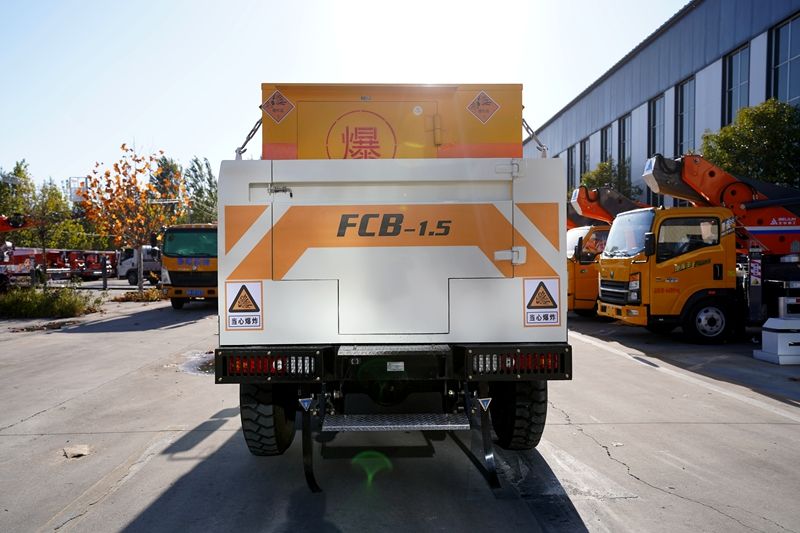
Bonus Checks for Ex Vehicles
Inspect anti-static grounding straps (intact, touches ground at all times)
Test emergency shutoff (kills engine/electrics instantly—cuts spark sources)
Check fuel system for leaks (slather soap solution on lines/fittings—gas zone leaks = secondary explosions)
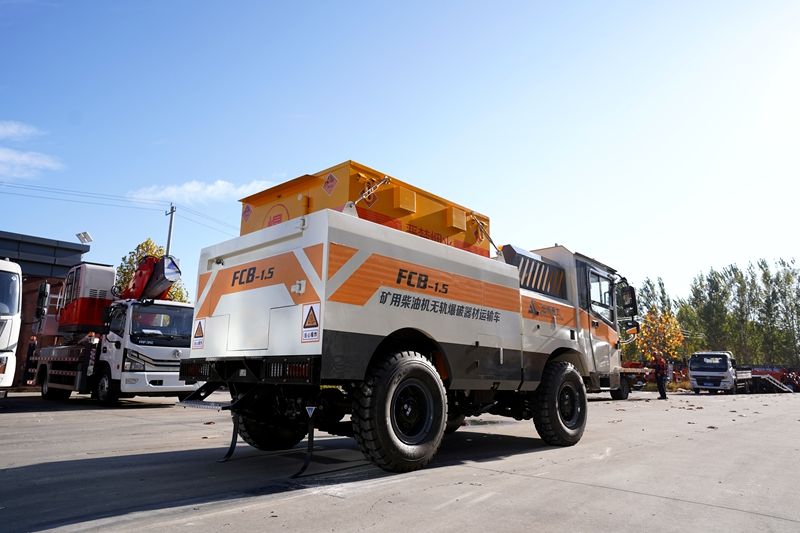
Ex capability isn’t “set it and forget it”—it’s built on daily checks. Do these seal/lamp checks right, and you’ll turn “hazardous gas zones” into “safe work zones.” In high-gas mines, every check is a life commitment—every intact seal, every working lamp is a barrier against explosions. This relentless focus on safety is core to our engineering philosophy at Beijun. To explore our full range of specialized mining vehicles designed for the most hazardous conditions, including versatile underground transporters, visit our website.