Español
 Português
 العربية
 Francés
 Русский
 Italiano
 Türk
Türk
 Indonesia
 हिंदीName
Mine Personnel Carrier: Seat Belt + ROPS Checks – Don’t Let Commutes Turn Risky
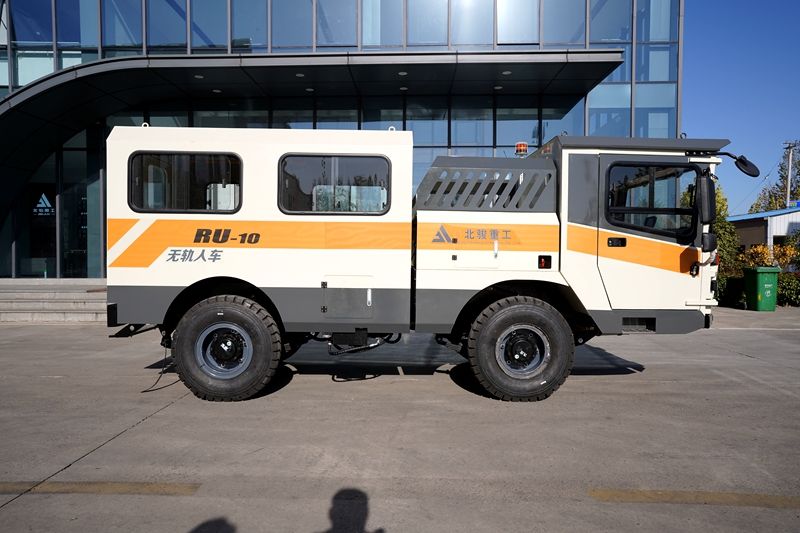
Down underground, the personnel carrier’s the “shuttle bus” for miners—runs through dusty, bumpy tunnels every shift, right next to heavy gear. This thing’s not like surface trucks: one tiny broken part can spiral into disaster—a loose seat belt buckle, a cracked ROPS, and a routine ride turns life-threatening. For maintenance crews, daily checks aren’t “paperwork”—they’re about keeping miners alive. The two non-negotiable checks? Seat belts and ROPS. Here’s how to do ’em like a field pro.
Why You Can’t Slack on Personnel Carrier Maintenance
Underground conditions tear trucks up: tight tunnels cramp movement, constant vibration loosens parts, and coal dust/ore grit clogs moving components. A broken surface truck just pulls over—but a broken personnel carrier blocks the whole tunnel, shutting down production. Worst of all? It carries a full crew—one safety flaw endangers everyone. Global mining data says 60% of underground commuting incidents come from skipped daily checks: seat belt failures or ROPS collapse top the list. So this maintenance needs zero shortcuts—especially for seat belts and ROPS.
Seat Belt Checks: This Strap Saves Lives—Inspect It Like It Matters
This isn’t just a “pull and click” thing—if the truck slams to a stop or rolls, this strap is what holds miners in. Don’t just glance at it; tear it apart step by step:
Yank the belt all the way out:Pull every seat belt to its full length, then run your hand along the webbing—feel for frays, cuts, or stiffness. Mine oil and ore gunk eats at webbing over time; even if it looks fine, if it’s brittle or discolored, swap it right now. Patching frays? Waste of time—it’ll snap instantly in a crash.
Test how it retracts:Let go after pulling it out—if it snaps back smooth and snug against the seat, good. If it’s slow, stuck, or drags, dust gunked up the retractor or the spring’s worn. Call a certified tech to tear it apart, deep-clean, and replace the spring—don’t tap/shake it to “fix” it; you’ll wreck internal parts.
Mess with the buckle:Fasten/unfasten it 3–5 times—needs to lock tight and pop open easy. Grab a soft-bristled brush (no metal—scratches parts) and scrub dust out of the latch (debris is why buckles jam). Then check the buckle’s mounting bolts: use a torque wrench to tighten ’em to manufacturer specs. Loose bolts yank off the seat in a crash—rendering the belt useless.
Check the anchor points:Those bolts holding the belt to the carrier frame? They need to be rock-solid. Look for rust, corrosion, or worn threads—underground humidity makes rust spread fast, weakening bolts. If rust covers 10%+ of the bolt, replace both bolt and nut now. Rust remover won’t fix it—it eats the bolt’s structure.
ROPS (Rollover Protection Structure) Checks: It’s the Last Line If the Truck Rolls
Rollovers are one of underground mining’s deadliest risks, and the ROPS is the final barrier for miners. This isn’t about “function”—it’s about structural integrity; a tiny crack can make the whole frame fail. Here’s how to check:
Walk around and stare at every spot:Circle the carrier and eye every weld, corner, and flat section of the ROPS. Use a flashlight for hard-to-see spots (like chassis connections). If you see any cracks, dents, or bends—even 2–3mm—pull the vehicle out of service immediately. Weld cracks are worst: underground vibration makes ’em grow fast, and a small crack splits the whole frame in a rollover. Pro tip: Only certified welders can repair ROPS—and you must test it post-repair.
Recheck the ROPS mounting bolts:These are heavy-duty bolts, but their tightness must match specs exactly. Grab a torque wrench and retighten each one—loose bolts shift when vibrating, messing up the ROPS’s impact resistance. If a bolt’s loose, don’t just tighten it: check threads for wear. Stripped threads? Replace bolt and nut with OEM parts—generic bolts can’t handle ROPS weight.
Check padding and clearance:The ROPS has foam padding to protect heads—if it’s torn, squished, or missing, replace it now. Then grab a tape measure: the gap between ROPS and the carrier ceiling needs at least 25–30cm (manufacturer rule) so miners have space to survive a rollover. If the gap’s too small, check for chassis bending/ROPS misalignment—never cut padding to make space; that defeats the safety design.
Feel the top of the ROPS for scrapes:In low-ceiling mines, the ROPS top scrapes tunnel roofs—hidden damage. Run your hand along the top to feel for scratches/dents you can’t see. Even small scrapes weaken the frame over time—note every mark and schedule regular pro inspections.
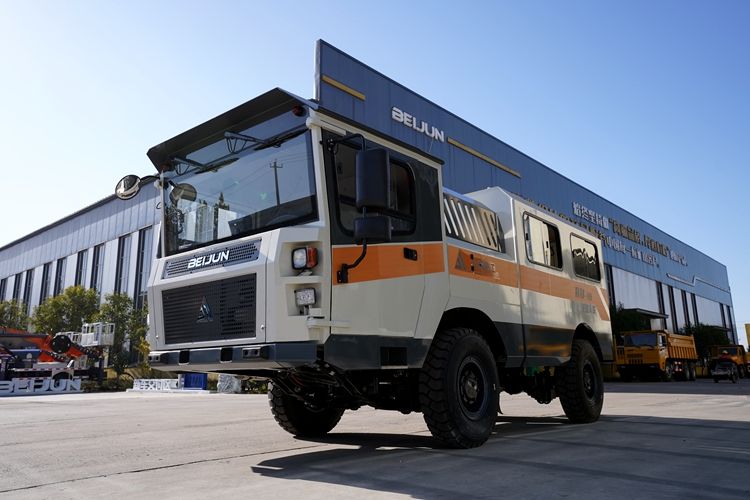
Bonus Checks for Personnel Carriers
Wipe the cabin floor (no dust/debris = no slips when miners enter/exit)
Test lights (headlights/taillights/turn signals—dark tunnels rely on these to avoid crashes)
Check tire pressure/tread (underinflated = rollover risk; tread <3mm = new tires)
Test brakes (drive slow, hit hard—should stop smooth, no pulling to one side)
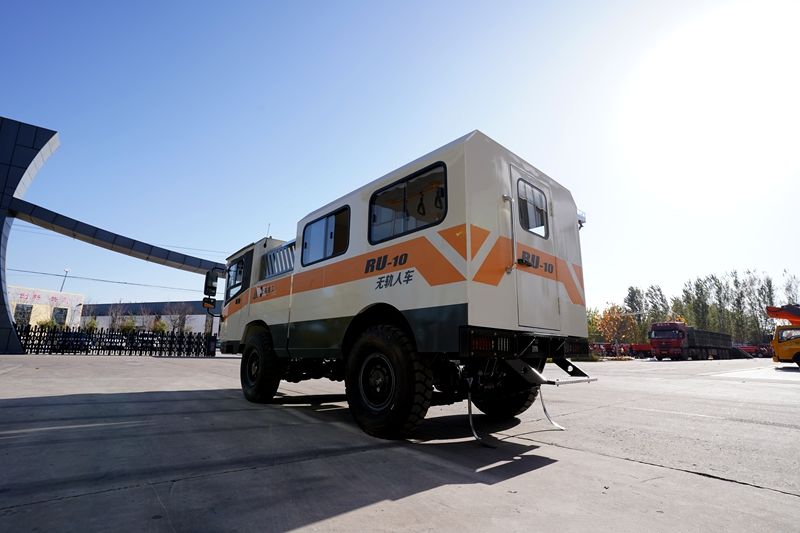
The personnel carrier’s the “mobile safety bunker” underground. Daily checks—especially seat belts and ROPS—aren’t a cost; they’re an investment in miners’ lives and smooth ops, reflecting the safety-first engineering we uphold. Do these checks right, and you’ll stop reacting to accidents and start preventing ’em—so every commute’s safe, and every shift ends with peace of mind. For a complete range of underground equipment designed with these principles, explore our full product lineup.