
 Español
 Português
 العربية
 Francés
 Русский
 Italiano
 Türk
Türk
 Indonesia
 हिंदीName

Product News
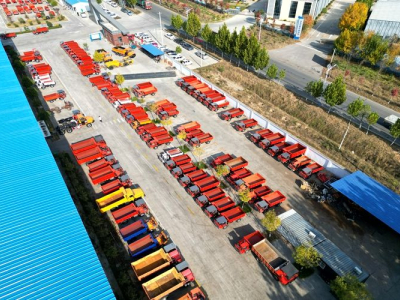
For mining industry buyers, the question “What are the three types of trucks?” isn’t just a classification query—it’s a way to quickly pinpoint vehicles that fit underground operational needs, aligning vehicle choices with mine efficiency, cost management, and regulatory adherence. Commercial
2026/01/04 17:07
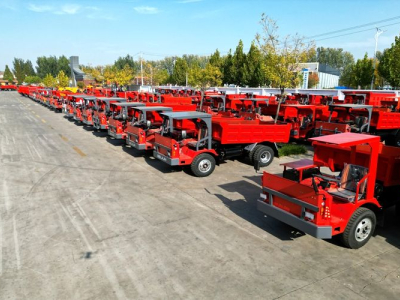
For B2B mining equipment buyers, the question “What is a mining dump truck called?” hides critical procurement pitfalls:In North America and ANZ markets, it is referred to as a haul truck—this term defaults to heavy-duty models built for open-pit mines.In Southeast Asia, local mining sites call it
2026/01/04 16:33
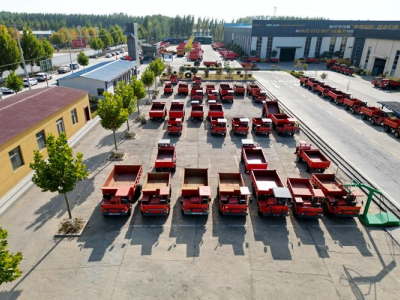
Over 12 years of supporting B2B sourcing for underground mining equipment across 18 markets—from small-scale gold mines in Ghana to major copper operations in Chile—our key insight is unmistakable: premium export-grade mining equipment isn’t merely a simple “equipment transaction”; it’s an end-to-
2026/01/04 15:33
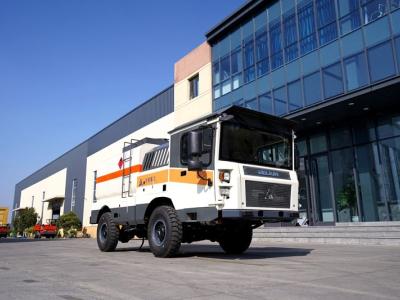
Underground, fuel tank trucks are the “energy lifeline” for heavy gear—but poorly maintained, they’re mobile bombs. Hauling flammable fuel through narrow, stuffy tunnels: a tiny leak = fire; un-dissipated static = spark = explosion. For maintenance crews, daily checks focus on stopping risks—leak
2025/12/27 15:50
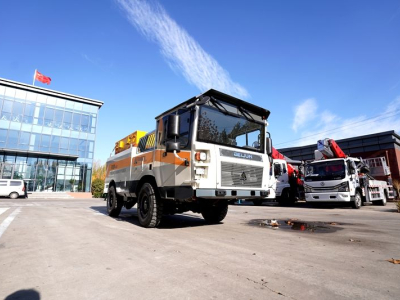
High-gas mines are death traps—gas hits explosive levels out of nowhere. Explosion-proof (Ex) vehicles are built to contain sparks/flames in sealed parts, breaking the explosion chain. But this “Ex capability” isn’t permanent; it lives or dies by daily maintenance. Two non-negotiable checks: seals
2025/12/27 15:03
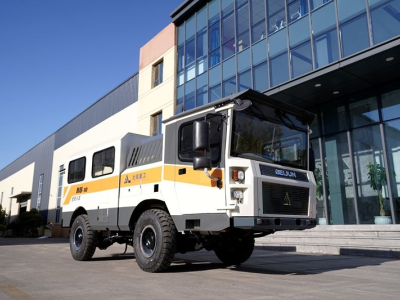
Down underground, the personnel carrier’s the “shuttle bus” for miners—runs through dusty, bumpy tunnels every shift, right next to heavy gear. This thing’s not like surface trucks: one tiny broken part can spiral into disaster—a loose seat belt buckle, a cracked ROPS, and a routine ride turns life
2025/12/26 01:55
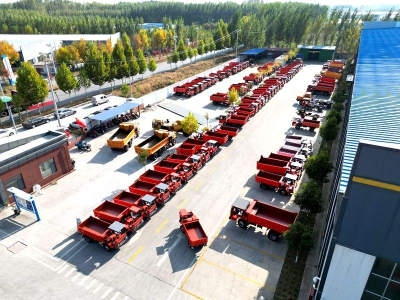
The Pain Points of Traditional Underground Mining LogisticsUnderground mining operations face growing pressure to balance efficiency, cost control, and rule-following. For years, split-up logistics systems—using single-job vehicles for moving workers, fuel, and materials—have caused problems: extra
2025/12/17 15:22
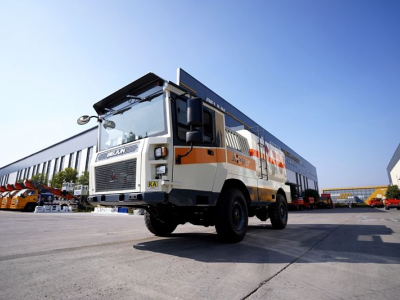
Underground mining operations need seamless supply chains to keep production running on time—but for decades, outdated transport setups have dragged down output. Unwieldy rail-based vehicles struggle to squeeze through tight tunnels, while hand-hauling fuel creates avoidable safety risks. The
2025/12/17 15:02
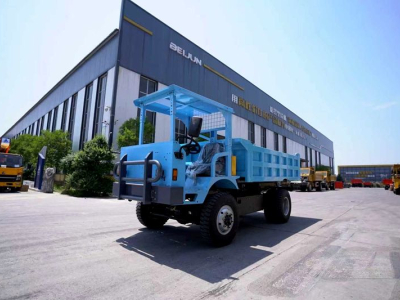
1. Let’s Admit It: Underground Dust Is a Nightmare (And Traditional Fixes Suck)If you’ve ever been in an underground mine, you know the drill: dust so thick you can barely see 10 feet, lungs burning after a shift, and equipment that’s always covered in grime. Haul trucks are the biggest culprits—
2025/12/14 19:45
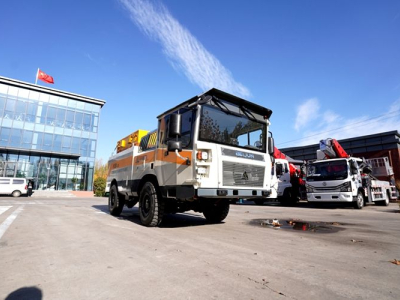
1. Why Diesel-Powered Trackless Haulage Is a Game-Changer for Hazardous Mine Load TransportUnderground mines have long struggled with hazardous load transport: rail carts are slow and inflexible; electric vehicles lack the power for steep inclines; and generic trucks risk ignition. For blasting
2025/12/14 19:37
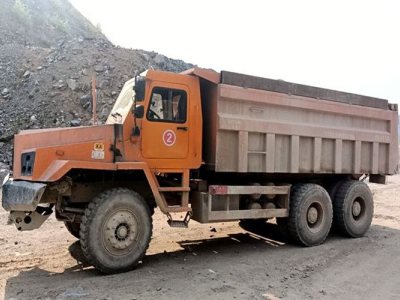
Introduction: The Shift-to-Shift Fuel Drain Mine Foremen HateFor underground mine foremen, the daily grind isn’t just hitting ore targets—it’s watching diesel gauges drop faster than haul trucks climb 20% slopes. A mid-sized operation running 12 haul trucks burns 1,200 gallons of diesel in a single
2025/12/14 19:19
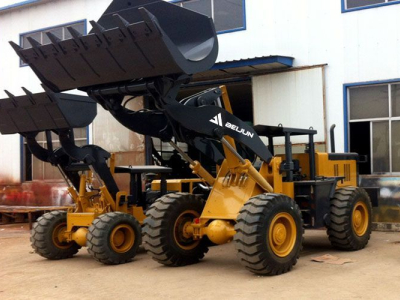
Underground mining operators know cost pressures all too well—fuel, labor, and equipment upkeep eat into profits fast. But there’s a quiet profit killer most overlook: early tire wear on your underground loader. Mines tend to fixate on obvious costs like engine repairs or ore hauling, but letting
2025/12/05 21:38